
Cord Tissue Banking
Give your baby more possibilities for tomorrow, by saving the umbilical cord tissue at birth.
When your baby is born, the umbilical cord is usually discarded. But what many parents don’t realize is that the cord itself—beyond the cord blood—holds another powerful source of stem cells with remarkable potential. By saving both cord blood and cord tissue, you give your family access to the widest range of newborn stem cells available today.
What is Cord Tissue Banking?
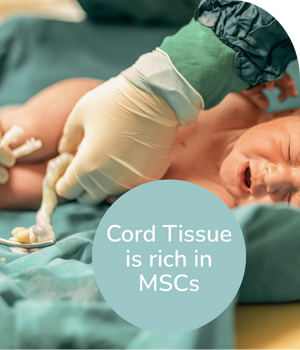
Cord tissue banking is the simple process of collecting a small segment of your baby’s umbilical cord after birth, once it has been safely cut. This piece of cord is rich in mesenchymal stem cells (MSCs)—special cells known for their ability to repair, regenerate, and protect different types of tissues in the body.
Your doctor or midwife will collect the cord tissue using our specially designed kit, and we’ll take care of everything else: transportation, processing, testing, and long-term storage. If your family ever needs it, we can release your sample in portions for approved treatments—so part of it is used while the rest remains safely preserved for future use.
Why Store Cord Tissue?
Cord tissue contains stem cells that work differently from those in cord blood. Together, they create a stronger foundation for potential therapies your child—or even your family—may need later in life.
Maximize stem cell variety
Expand treatment possibilities
Ensure long-term options
Inside the Umbilical Cord: A Treasure of Healing Cells
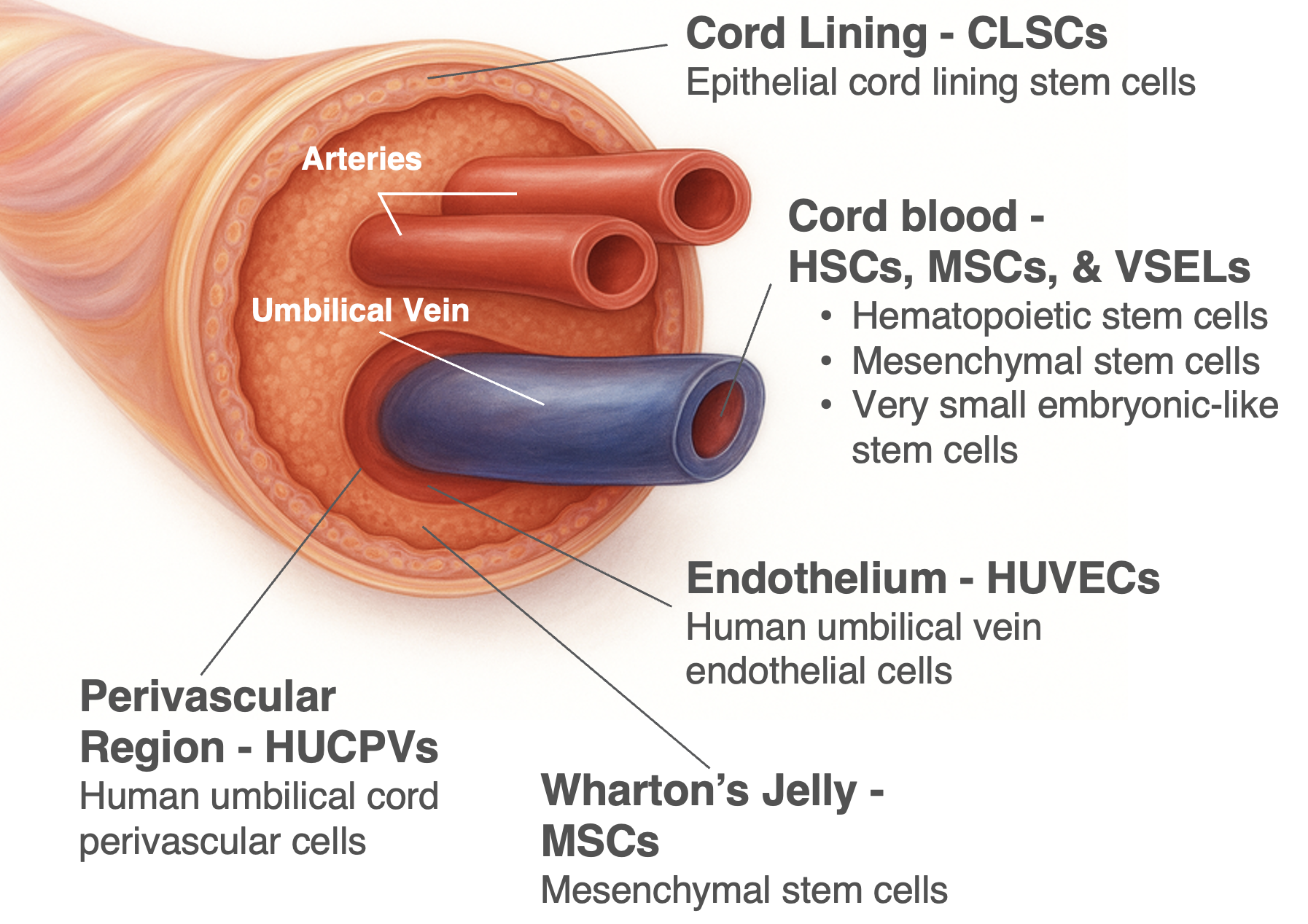
Cord Vessel
The cord’s blood vessels contain specialized cells, each with unique potential:
Wharton’s Jelly
The thick, protective layer surrounding the cord’s vessels—known as Wharton’s Jelly—is especially rich in mesenchymal stem cells (MSCs). These cells stand out because they:
Current Research & Future Potential
Umbilical cord tissue stem cells are being actively studied for a wide range of conditions. While many of these treatments are still in clinical trials, early results are showing real promise across multiple areas of medicine.

Neurological Conditions
Conditions under research:
At Duke University, clinical trials using cord tissue stem cells have shown encouraging improvements in children with autism and cerebral palsy. MSCs are also being studied for their ability to repair and protect nerve cells after stroke or spinal cord injury.[1]
Autoimmune & Inflammatory Disorders
Conditions under research:
Because MSCs help regulate immune responses, they are being tested as potential therapies for autoimmune conditions and severe inflammation, including early research in sepsis treatment.[2]

Heart & Vascular Disease
Conditions under research:
Researchers are exploring how cord tissue stem cells can repair damaged heart tissue and support new blood vessel growth, offering new hope for patients with heart failure and heart disease.[3]
Organ Failure & Degenerative Conditions
Conditions under research:
Early research indicates that cord tissue stem cells may support regeneration in damaged organs, including the liver, and could play a role in future therapies for blood disorders.[4]

Cancers
Conditions under research:
Pre-clinical studies show cord tissue stem cells may help inhibit tumor growth in cancers such as prostate and breast cancer, pointing to new treatment avenues under investigation.[5][6]

Metabolic & Endocrine Conditions
Conditions under research:
Clinical trials using Wharton’s Jelly-derived stem cells are underway for Type 2 diabetes, aiming to restore healthy insulin production and improve patient outcomes.[7]
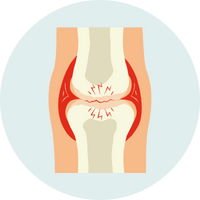
Skeletal & Musculoskeletal Disorders
Conditions under research:Studies suggest MSCs may help regenerate cartilage and reduce inflammation, providing potential new options for patients with joint disease and mobility challenges.[8]

The Gift of Possibility
Cord tissue banking is about giving your child—and your family—the widest safety net modern medicine can offer. By preserving the umbilical cord along with cord blood, you store not just one, but multiple types of stem cells with distinct abilities to heal and repair
Cord Tissue Banking FAQs
What is the difference between cord blood and cord tissue?
Cord blood and cord tissue both contain stem cells, and some types, such as mesenchymal stem cells (MSCs), can be found in both. However, each source also contains unique cell populations that the other does not. Cord blood is particularly rich in hematopoietic stem cells (HSCs), while cord tissue includes additional MSCs and other valuable cells. Storing both ensures that you preserve the full diversity of cells, maximizing the potential benefits for future therapeutic use.
Can cord tissue be stored alongside cord blood?
Yes, cord tissue can be stored alongside cord blood, and this is commonly recommended. Storing both provides access to different types of stem cells, expanding the potential medical applications for your child and family in the future.
Ready to Learn More? Start with our Free Info Pack
Our free info pack walks you through everything — what are newborn stem cells, how private stem cell banking works, why it matters, and which options are best for your family. It’s a helpful starting point for parents exploring cord blood banking.