
Stem Cell Basics
A simple guide to understanding stem cells and the potential they hold for medical science and wellness.
What are Stem Cells?
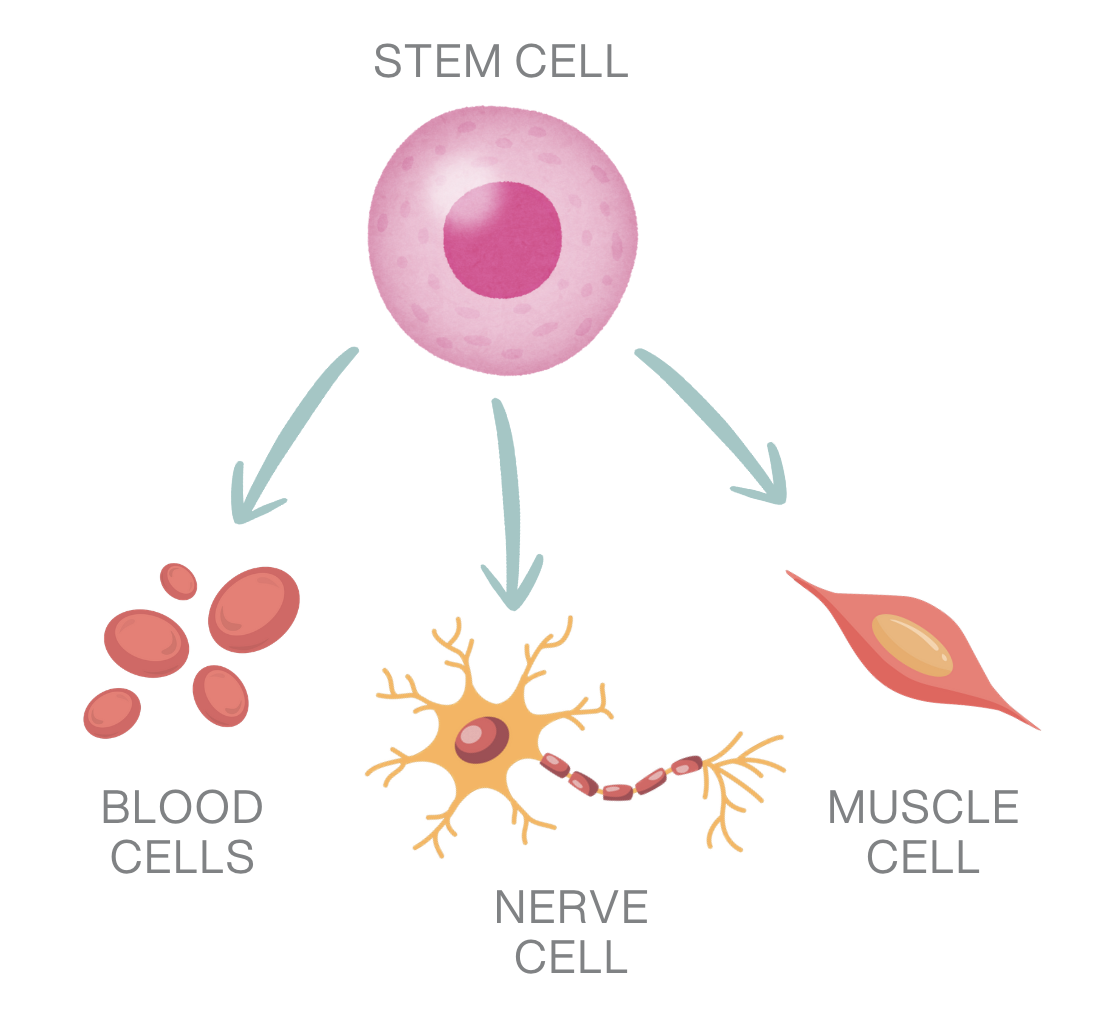
Stem cells are unique cells found in the body that have the remarkable ability to become many different cell types, including blood, muscle, or nerve cells. Often called the body’s “building blocks”, these cells play a vital role in growth, development, and natural healing processes.
Stem cells exist throughout the body, including in places like bone marrow, fat tissue, and skin. However, for expecting parents, the birth of a child presents a unique opportunity to access some of the youngest and most promising stem cells—known as newborn stem cells.
What are Newborn Stem Cells?
Newborn stem cells collected at birth are especially valuable because they are fresh, versatile, and have not been exposed to environmental factors, offering exciting possibilities to support your child’s well-being.
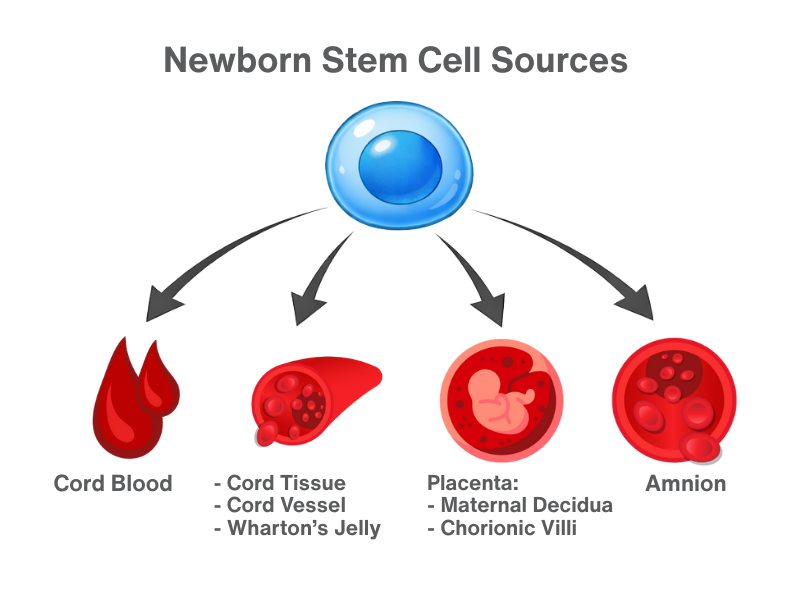
They are found in the cord blood, cord tissue, placenta, and amnion. Newborn stem cells have already helped treat certain blood and immune disorders, and researchers continue to explore their potential for future therapies, including tissue repair and regenerative medicine.
Storing your newborn baby’s stem cells at birth can help protect their health in the future.
Cord Blood
Cord blood is the remaining blood in the umbilical cord after birth. It is a rich source of valuable stem cells that have already been used to treat more than 80 medical conditions including blood-related diseases, immune system disorders, and metabolic conditions. The process of collecting cord blood is completely safe and painless; it takes place only after the umbilical cord has been clamped and cut.
Cord Tissue
Within the umbilical cord itself is cord tissue, a type of connective tissue filled with valuable stem cells. These cells show promise in supporting the body’s tissue repair and regeneration. Cord tissue can be preserved at birth for use in future medical treatments or for advancing research into innovative therapies. Additional sources of valuable stem cells in the umbilical cord include Cord Vessel and Wharton’s Jelly.
Placenta
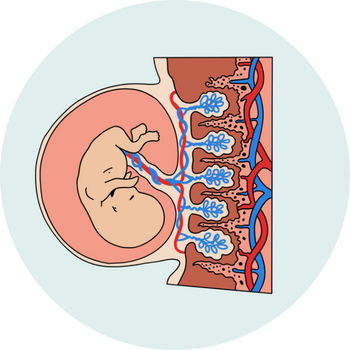
The placenta, an organ that sustains your baby throughout pregnancy, is also a source of diverse stem cells. Scientists are currently studying placenta-derived stem cells both from Maternal Decidua and Chorionic Villi, for their potential to help treat certain health conditions and for their role in regenerative medicine.
Amnion
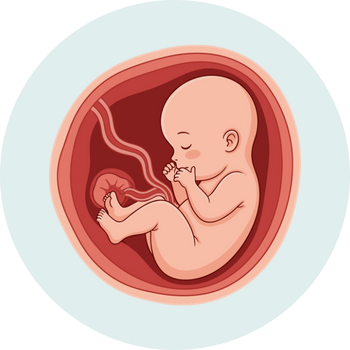
The amnion, also known as amniotic membrane, forms the innermost layer of the amniotic sac that surrounds the baby in the womb. Stem cells found in the amnion are considered unique and are being investigated for their possible applications in tissue repair and regenerative treatments.
Benefits of Saving Newborn Stem Cells

For Your Child’s Health
Banking your baby’s stem cells gives access to a special resource that could help treat blood, immune system, or metabolic conditions now and in the future.

Helping the Whole Family
These stem cells could also match siblings or relatives, offering extra treatment possibilities if compatibility allows.
Safe for the Long Term
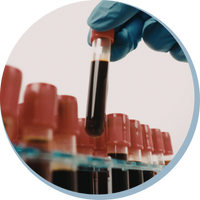
When properly stored, newborn stem cells can remain viable for decades, keeping their potential benefits as medical science advances.

Peace of Mind for You
Knowing your baby’s stem cells are safely preserved brings reassurance that you’ve taken a proactive step for your family’s health.
Ready to Learn More? Start with our Free Info Pack
Our free info pack walks you through everything — what are newborn stem cells, how private stem cell banking works, why it matters, and which options are best for your family. It’s a helpful starting point for parents exploring cord blood banking.