
Cord Blood Banking
As expecting parents, you have a once-in-a-lifetime chance of capturing powerful stem cells at the time of birth.
Cord blood is the blood that is left in the umbilical cord once it is clamped and cut after birth. It is an abundant source of valuable stem cells that are currently being used to treat life-threatening conditions and are a subject of many on-going clinical trials.
Major Types of Stem Cells Within the Cord Blood
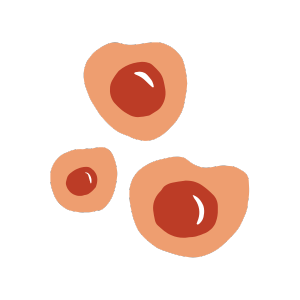
Hematopoietic Stem Cells (HSCs)
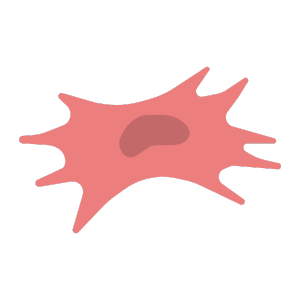
Mesenchymal Stem Cells (MSCs)
Very Small Embryonic-Like Stem Cells (VSELs)

What Is It and What They Do
Looking Ahead
What is Cord Blood Banking?
Cord blood banking involves collecting the blood that remains in your baby’s umbilical cord after birth — a simple procedure performed by your doctor or midwife. The cord blood is then delivered to our laboratory, where it is tested, processed, and securely preserved for long-term storage. This ensures your family has access to a valuable source of stem cells that may be used in approved medical treatments in the future.
1. Sign up to cord blood banking
2. Cord blood collection at birth
3. Sample processing & storage
Advanced Technology for Cord Blood Banking
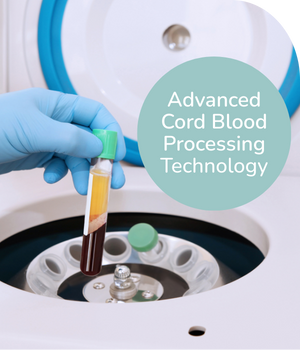
CellAdvance™ is our premium cord blood banking service designed to maximize the recovery of viable stem cells and minimize contamination.
We use an FDA-approved processing technology that provides the highest stem cell yield and purity, supporting a wider range of potential future therapies.
- Maximizes colony-forming stem cell (CFU) recovery.
- Reduces red blood cell contamination by up to 99%.
- Higher stem cell yield may support faster engraftment in clinical use.
- Designed to preserve the largest possible number of viable stem cells for long-term storage.
Who Can Use Your Baby’s Cord Blood?

%
Perfect Match for Your Baby
Cord blood is a perfect genetic match for your child, offering the highest compatibility for potential treatments.

%
Potential Match for Siblings
There is 25% chance of a perfect match to siblings, making cord blood a valuable resource for your other kids as well.

%
Partial Match for Parents
Parents are 50% partial match, which could provide certain therapeutic options in some medical situations.
FDA-Approved Cord Blood Treatments
Stem cells from cord blood can treat over 80 medical conditions.
Leukemia (Blood Cancers)
Cancers of the blood and bone marrow caused by uncontrolled growth of abnormal white blood cells.
- Acute Lymphoblastic Leukemia (ALL)
- Acute Myelogenous Leukemia (AML)
- Acute Biphenotypic Leukemia
- Acute Undifferentiated Leukemia
- Chronic Lymphocytic Leukemia (CLL)
- Chronic Myelogenous Leukemia (CML)
- Juvenile Chronic Myelogenous Leukemia (JCML)
- Juvenile Myelomonocytic Leukemia (JMML)
Pre-Leukemia & Bone Marrow Disorders
Disorders in which the bone marrow makes too few or defective blood cells, often preceding leukemia.
- Myelodysplastic Syndrome (MDS)
- Refractory Anemia
- Refractory Anemia with Ringed Sideroblasts (RARS)
- Refractory Anemia with Excess Blasts (RAEB)
- Refractory Anemia with Excess Blasts in Transformation (RAEB-T)
- Chronic Myelomonocytic Leukemia (CMML)
Lymphoma (Lymphatic System Cancers)
Cancers that start in the lymphatic system, affecting lymph nodes and immune cells.
- Hodgkin’s Lymphoma
- Non-Hodgkin’s Lymphoma (Burkitt’s Lymphoma)
Red Blood Cell Disorders
Conditions where red blood cells are reduced or dysfunctional, lowering oxygen delivery.
- Aplastic Anemia
- Fanconi Anemia
- Congenital Dyserythropoietic Anemia
- Paroxysmal Nocturnal Hemoglobinuria (PNH)
- Sickle Cell Disease
- Beta Thalassemia Major (Cooley’s Anemia)
- Diamond-Blackfan Anemia
- Pure Red Cell Aplasia
Platelet Disorders
Conditions affecting platelet production or function, causing abnormal clotting.
- Amegakaryocytosis / Congenital Thrombocytopenia
- Glanzmann Thrombasthenia
Immune System Disorders
Disorders where the immune system is absent, weak, or not functioning properly, leading to infections.
- Severe Combined Immunodeficiency (SCID)
- SCID with Adenosine Deaminase Deficiency (ADA-SCID)
- X-linked SCID
- SCID with absence of T & B cells
- SCID with absence of T cells, normal B cells
- Omenn Syndrome
Inherited Neutropenia Disorders
Disorders with abnormally low neutrophils, increasing infection risk.
- Infantile Genetic Agranulocytosis (Kostmann Syndrome)
- Myelokathexis
Other Inherited Immune Disorders
Miscellaneous inherited immune disorders not classified under immunodeficiency or neutropenia.
- Ataxia-Telangiectasia
- Bare Lymphocyte Syndrome
- Common Variable Immunodeficiency
- DiGeorge Syndrome
- Hemophagocytic Lymphohistiocytosis (HLH)
- Leukocyte Adhesion Deficiency
- Lymphoproliferative Disorders
- Lymphoproliferative Disorder, X-linked (EBV susceptibility)
- Wiskott-Aldrich Syndrome
Myeloproliferative Disorders
Disorders causing excessive production of blood cells in the bone marrow.
- Acute Myelofibrosis
- Agnogenic Myeloid Metaplasia (Myelofibrosis)
- Polycythemia Vera
- Essential Thrombocythemia
Phagocyte Disorders
Disorders where phagocytes cannot effectively engulf and destroy pathogens.
- Chediak-Higashi Syndrome
- Chronic Granulomatous Disease
- Neutrophil Actin Deficiency
- Reticular Dysgenesis
Bone Marrow Cancers
Malignancies originating in bone marrow, often involving plasma cells or other marrow cells.
- Multiple Myeloma
- Plasma Cell Leukemia
- Waldenström’s Macroglobulinemia
Inherited Disorders
Genetic conditions passed through families, affecting multiple organs or systems.
- Cartilage-Hair Hypoplasia
- Erythropoietic Porphyria
- Hermansky-Pudlak Syndrome
- Pearson’s Syndrome
- Shwachman-Diamond Syndrome
- Systemic Mastocytosis
Metabolic & Lysosomal Disorders
Disorders affecting metabolic pathways, causing accumulation of substances in lysosomes.
- Amyloidosis
- Hurler Syndrome (MPS-IH)
- Scheie Syndrome (MPS-IS)
- Hunter Syndrome (MPS-II)
- Sanfilippo Syndrome (MPS-III)
- Morquio Syndrome (MPS-IV)
- Maroteaux-Lamy Syndrome (MPS-VI)
- Sly Syndrome (MPS-VII)
- Mucolipidosis II (I-cell disease)
- Adrenoleukodystrophy (ALD)
- Krabbe Disease (Globoid Cell Leukodystrophy)
- Metachromatic Leukodystrophy
- Pelizaeus-Merzbacher Disease
- Niemann-Pick Disease
- Sandhoff Disease
- Wolman Disease
- Lesch-Nyhan Syndrome
- Osteopetrosis
- Tay-Sachs Disease
- Gaucher Disease
- Mannosidosis
Solid Tumors
Malignant growths in tissues or organs outside of blood and bone marrow.
- Neuroblastoma
- Medulloblastoma
- Retinoblastoma
Clinical Trials and Odds of Using Cord Blood Stem Cells
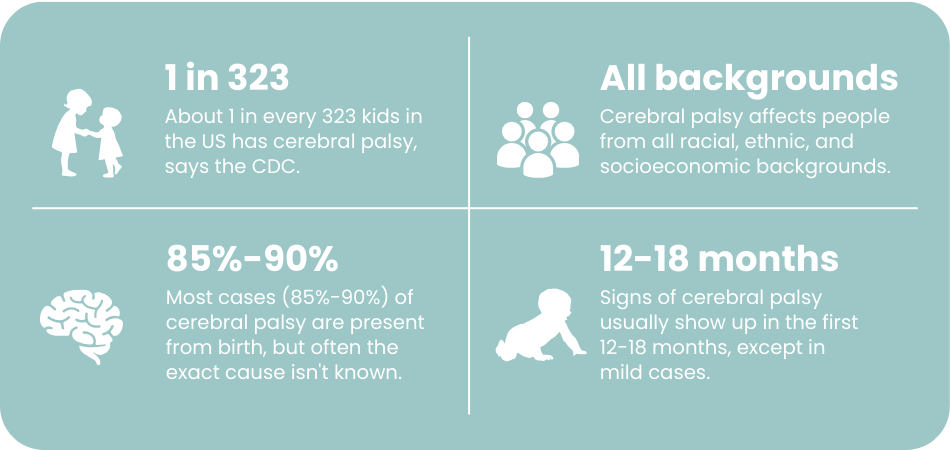
Cerebral Palsy
Cerebral Palsy (CP) results from brain injury or oxygen deprivation before or during birth, or in early childhood. It can hinder movement, learning, hearing, vision, and cognitive abilities. “Cerebral” relates to the brain, while “palsy” refers to muscle weakness or usage difficulties. CP stands as the most prevalent motor disability in childhood.
Source: CBR
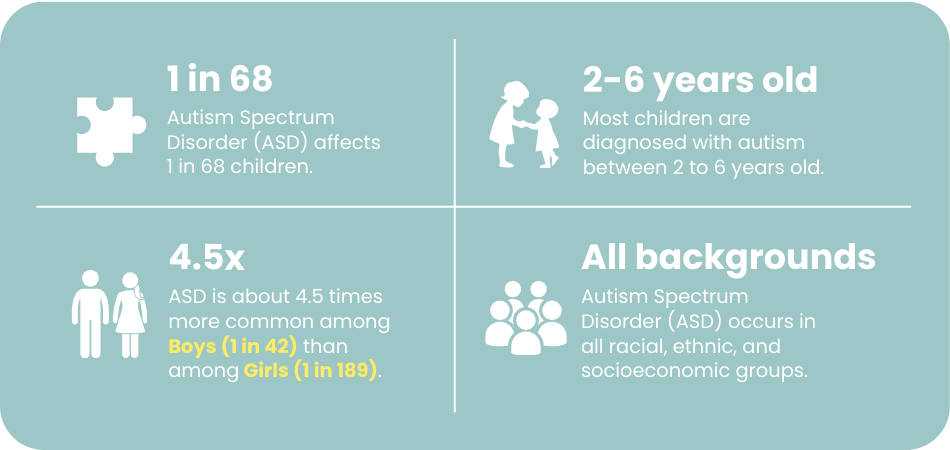
Autism
Autism, also known as Autism Spectrum Disorder (ASD), is a multifaceted condition characterized by diverse signs and symptoms. While no two individuals with autism are identical, they may share challenges in language and social interaction. Researchers aim to discover treatments that can soothe this hyperactive immune response, potentially safeguarding the developing brains of children with autism.
Source: CBR
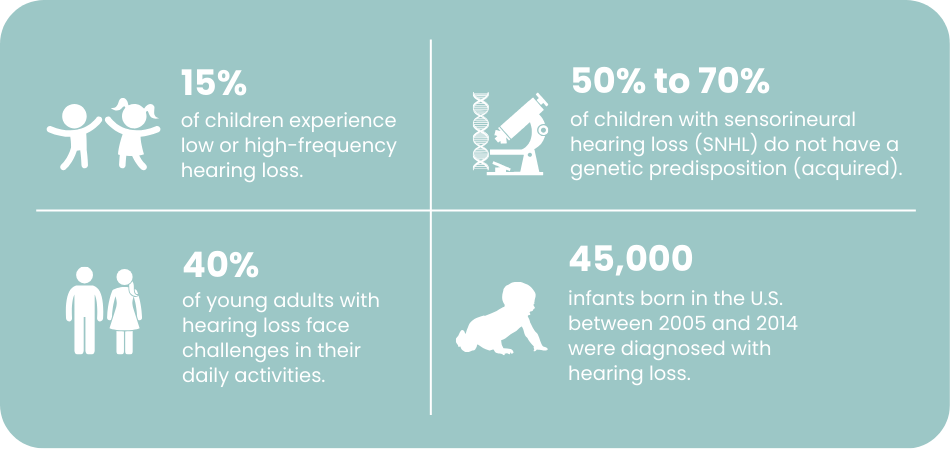
Hearing Loss
Sensorineural hearing loss (SNHL) is a distinct form of hearing impairment attributed to inner ear damage or dysfunction, as opposed to other ear structures. Acquired SNHL can arise from premature birth, infections, or exposure to loud noise or specific medications, leading to irreversible harm to the delicate hair cells (cilia) in the inner ear.
Source: CBR
More Conditions Under Clinical Trial for Autologous Treatment
Cord Blood Banking FAQs
What is the difference between public and private cord blood banking?
Public cord blood banks store donated cord blood for use by anyone who may need it for medical treatment, similar to a blood donation system. Private cord blood banks, on the other hand, store your baby’s cord blood exclusively for your family’s exclusive use. This ensures that the stem cells are readily available if your child or a family member requires them in the future.
Can I still collect cord blood if I have a cesarean section (C-section)?
Yes, cord blood can be collected during C-sections. The collection process is safe and does not interfere with the surgery or the care of you and your baby. Your healthcare team will coordinate with the cord blood bank to ensure proper collection.
How long can cord blood be stored?
Cord blood can be stored safely for decades when preserved under controlled cryogenic conditions. Research led by Dr. Hal Broxmeyer has demonstrated that cryopreserved cord blood remains viable after 27 years in frozen storage. In 2018, Australia’s BMDI public cord blood bank successfully transplanted a leukemia patient with a donor cord blood unit that had been in storage for 20 years.
Ready to Learn More? Start with our Free Info Pack
Our free info pack walks you through everything — what are newborn stem cells, how private stem cell banking works, why it matters, and which options are best for your family. It’s a helpful starting point for parents exploring cord blood banking.