
Exosomes Banking
Preserve the Potential of Exosomes at Birth
What are Exosomes?
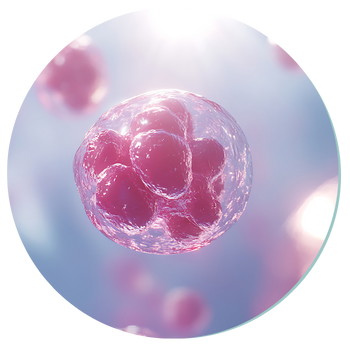
Exosomes are microscopic particles released by cells that carry important proteins, lipids, and genetic material. They act like messengers, helping cells communicate with each other and regulating many processes in the body, including repair, inflammation, and cellular signaling [1].
Benefits of Storing Exosomes
Storing exosomes gives you access to a natural biological resource with a range of possible scientific and medical applications. We preserve exosomes at approximately −80°C, which is the standard for long-term biological preservation. This keeps them intact and biologically active [4].

Regenerative Support
Exosomes are being studied for their ability to promote tissue repair and regeneration in experimental and clinical research [2][5].

Immune System Support
Clinical studies suggest exosomes may help regulate immune responses, making them relevant for research into inflammatory conditions and immune recovery [6].

Personalized Medicine
Exosomes are being investigated as carriers for targeted therapies, offering opportunities for treatments tailored to individual biology [3].

Cosmetic & Skin Applications
Research shows exosomes can stimulate skin cell activity, supporting tissue renewal, rejuvenation, and repair [2].

Research & Innovation
Worldwide clinical trials are exploring exosomes in organ repair, neuroprotection, and tissue regeneration, opening doors to innovative scientific developments [7][8].

Continuous Scientific Advancements
As exosome research grows, stored samples can support studies in new therapeutic areas, including disease prevention, regenerative medicine, and personalized approaches [3][7].
Ready to Learn More? Start with our Free Info Pack
Our free info pack walks you through everything — what are newborn stem cells, how private stem cell banking works, why it matters, and which options are best for your family. It’s a helpful starting point for parents exploring cord blood banking.